Get Backflow Preventer Installation in Denver, CO
Backflow preventer installation services help Denver property owners address plumbing code requirements, prevent contamination risks, and ensure safe water supply through professional system setup.
Backflow preventer installation services are essential for property owners in Denver, CO who want to ensure the safety and functionality of their plumbing systems. Properly installed backflow preventers help protect drinking water supplies from contamination caused by reverse flow, providing peace of mind for households and businesses alike. Additionally, these systems contribute to maintaining consistent water pressure and reducing the risk of costly plumbing issues, leading to fewer maintenance needs over time.
Choosing professional backflow preventer installation offers several practical benefits. It enhances the durability and reliability of plumbing infrastructure, ensuring systems operate smoothly through Denver’s varying weather conditions. Well-installed preventers also improve curb appeal by maintaining a clean, well-maintained appearance of outdoor plumbing fixtures. Overall, this work provides property owners with increased safety, peace of mind, and long-term value for their investment.
- Backflow Preventer Installation services are essential for properties that need to protect potable water supplies from contamination.
- Residents in Denver, CO, and nearby areas may require backflow preventers to comply with local plumbing codes and regulations.
- Commercial properties with irrigation systems or fire suppression systems often need backflow preventers installed to prevent water backflow issues.
- Homeowners upgrading or replacing outdated backflow preventers can ensure ongoing protection of their drinking water.
- Property managers and facility owners seeking to maintain water safety standards frequently contact local service providers for backflow preventer installation.
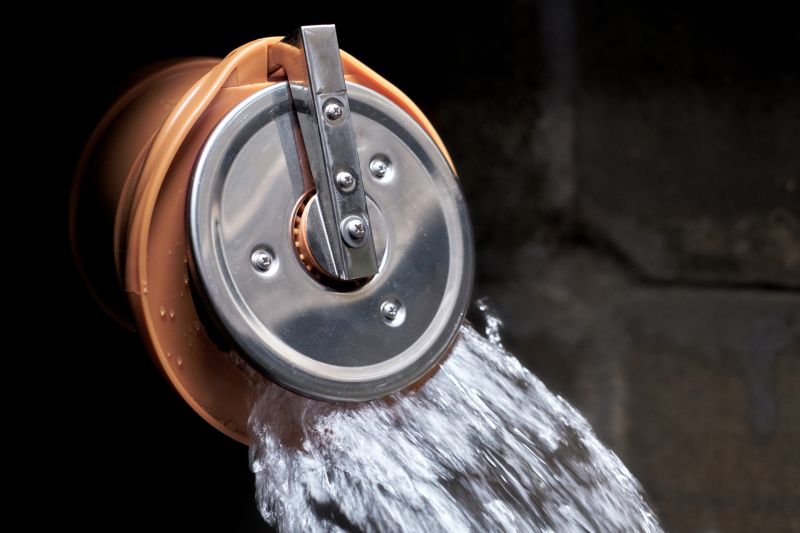
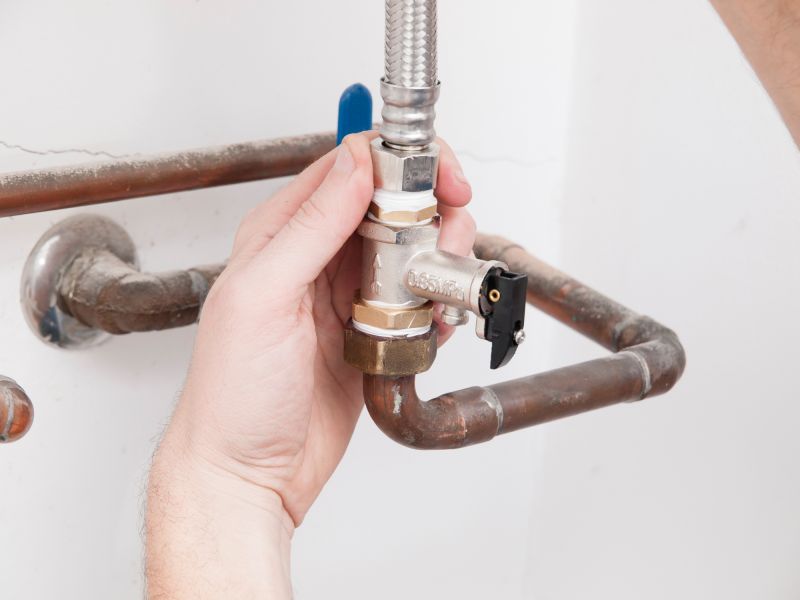
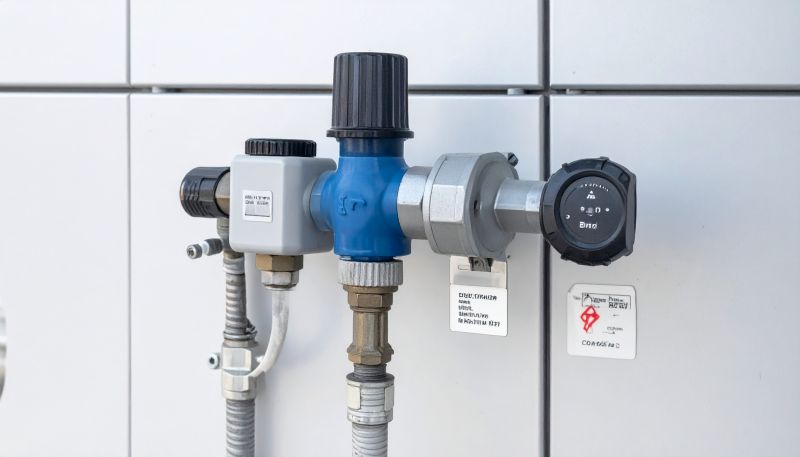
Backflow preventer installation services involve the process of fitting a device designed to protect potable water supplies from contamination caused by reverse flow. These systems are typically installed at critical points within a property's plumbing network to ensure that non-potable water, such as from irrigation systems or industrial processes, does not flow back into the clean water supply. Proper installation requires careful assessment of the property's plumbing layout, followed by precise placement and connection of the backflow preventer to ensure it functions effectively. This service often involves coordinating with the existing plumbing infrastructure to integrate the device seamlessly and ensure compliance with local codes and standards.
The primary issue that backflow preventer installation addresses is the risk of water contamination. Without a proper backflow prevention device, pollutants from irrigation, industrial systems, or even household sources can siphon back into the main water supply, potentially causing health hazards or property damage. Installing a backflow preventer helps mitigate these risks by creating a physical barrier that stops reverse flow, safeguarding the quality of drinking water. This service is especially important in areas with complex plumbing systems, high-density residential neighborhoods, or properties with irrigation or fire suppression systems, where the potential for backflow incidents is higher.
Properties that typically require backflow preventer installation include commercial buildings, multi-family residences, and properties with irrigation or fire sprinkler systems. Commercial facilities such as restaurants, factories, and office complexes often have extensive plumbing setups that necessitate backflow prevention to meet health and safety regulations. Residential properties with sophisticated irrigation systems or those located in areas with high water usage may also benefit from this service. Additionally, properties near industrial zones or with shared water supplies are often advised to install backflow preventers to ensure the ongoing safety and purity of their water sources.
Professional installation of backflow preventers is essential to ensure the device functions correctly and complies with local plumbing standards. Local service providers specializing in backflow preventer installation can assess the specific needs of a property, recommend suitable devices, and perform the installation with precision. Properly installed backflow preventers help property owners maintain safe water supplies, prevent costly contamination issues, and meet regulatory requirements. Contacting experienced local pros ensures that the installation process adheres to industry best practices and that the device will operate reliably over time.
The overview below groups typical Backflow Preventer Installation projects into broad ranges so you can see how smaller, mid-sized, and larger jobs often compare in Denver, CO.
In many markets, a large share of routine jobs stays in the lower and middle ranges, while only a smaller percentage of projects moves into the highest bands when the work is more complex or site conditions are harder than average.
Installation Costs - The cost for installing a backflow preventer typically ranges from $150 to $500, depending on the system size and complexity. For example, a basic residential unit might be around $200, while more advanced setups could reach $450 or higher.
Material Expenses - The price of backflow preventer units varies from $50 to $300 based on type and quality. A standard residential device usually costs between $75 and $150, with higher-end models costing more.
Labor Charges - Labor costs for installation generally fall between $100 and $400, influenced by local rates and installation difficulty. Some projects may require additional work, increasing overall expenses.
Additional Costs - Extra expenses may include permits, which can range from $50 to $200, and potential site modifications. These costs vary depending on local regulations and specific property conditions.
Actual totals will depend on details like access to the work area, the scope of the project, and the materials selected, so use these as general starting points rather than exact figures.
Backflow Preventer Installation - Local service providers offer installation services to ensure proper functioning of backflow prevention devices in residential and commercial properties.
Backflow Prevention Device Replacement - Professionals can replace outdated or malfunctioning backflow preventers to maintain compliance and protect water quality.
Backflow System Inspection - Regular inspections by qualified contractors help identify potential issues with backflow preventers before they cause water contamination.
Backflow Device Testing - Certified technicians perform testing to verify that backflow preventers operate effectively and meet local regulations.
Backflow Prevention Maintenance - Maintenance services from local pros ensure that backflow preventers remain in optimal working condition over time.
Emergency Backflow Repair - Immediate repair services are available from local experts to address backflow preventer failures or leaks promptly.
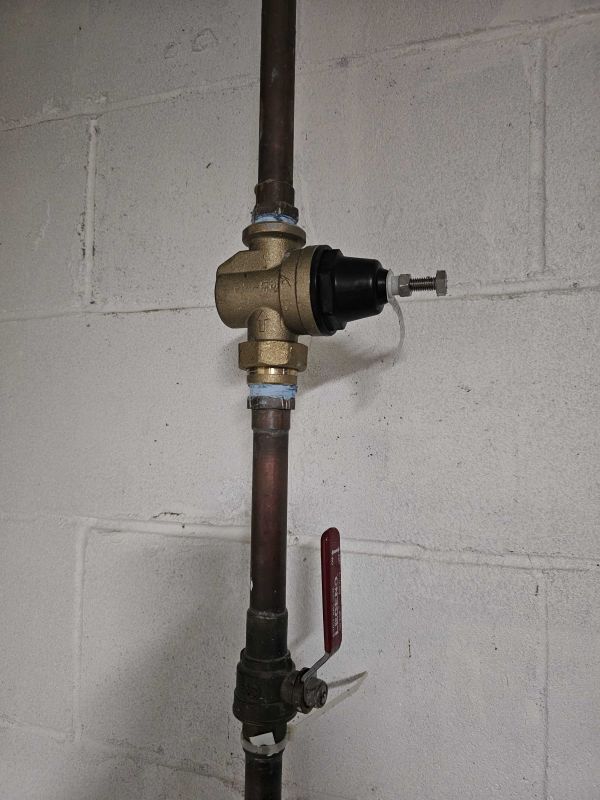
When selecting a professional for backflow preventer installation, it’s important to consider their level of experience with similar projects. Homeowners should look for service providers who have a proven track record of installing backflow preventers in residential settings, particularly in the local area. A contractor’s familiarity with regional plumbing codes and local water systems can contribute to a smoother installation process and help ensure the work meets necessary standards.
Clear communication and well-defined expectations are key factors when working with a service provider. Homeowners are encouraged to discuss the scope of work, materials to be used, and any specific concerns upfront. Reputable local pros typically provide detailed explanations of their services and are transparent about what the installation entails, helping to foster understanding and trust throughout the process.
References from previous clients can offer valuable insights into a contractor’s reputation and reliability. Homeowners might seek recommendations or reviews from neighbors or community members who have had similar work completed. Additionally, establishing open lines of communication with potential service providers can help ensure questions are answered thoroughly and that the project aligns with the homeowner’s needs and expectations.
Property owners in Denver, CO use Backflow Preventer Installation services for practical projects around their homes and businesses. The sections below highlight everyday jobs and straightforward project options.
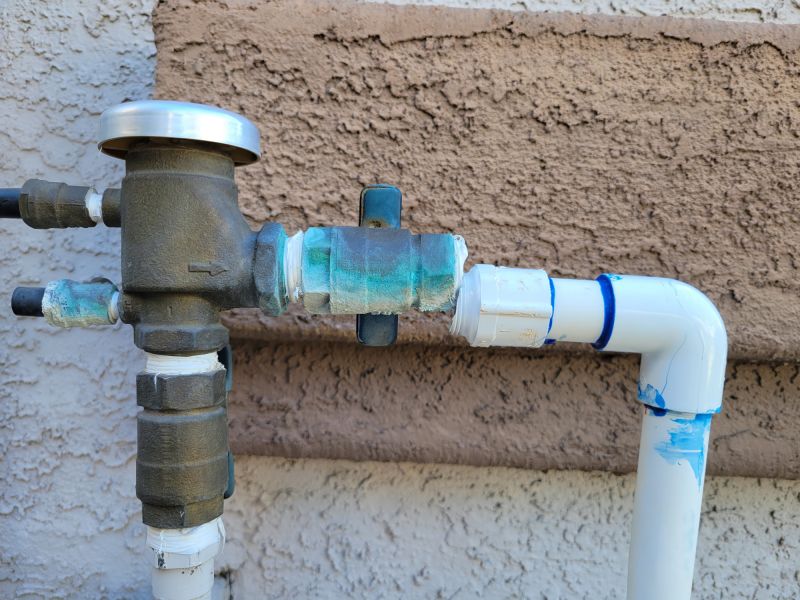
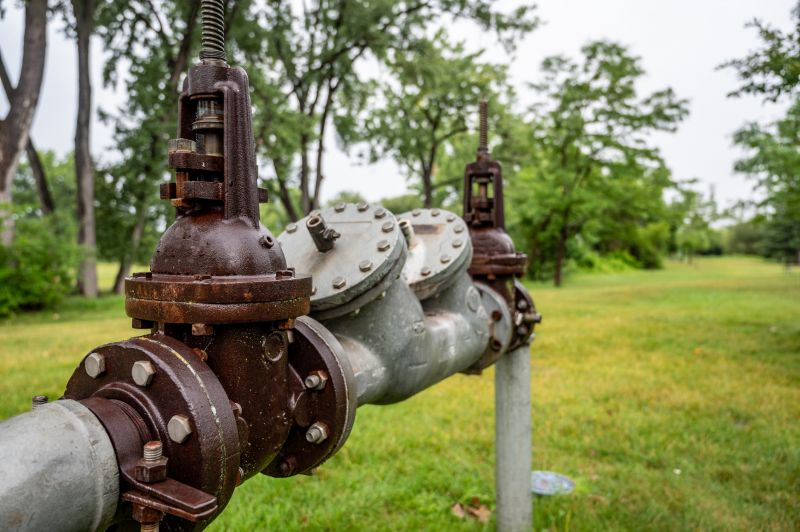
Backflow preventer installation services are often sought by property owners in Denver, CO, who want to ensure their drinking water remains free from contamination. These installations are particularly important for those with irrigation systems, fire sprinklers, or commercial plumbing setups that could potentially introduce pollutants into the potable water supply. Homeowners and business owners may look for local professionals to help prevent backflow issues caused by pressure changes or cross-connections within their plumbing systems.
In addition, property owners may consider backflow preventer services when upgrading or maintaining existing plumbing infrastructure. Regular inspections and timely installations can help avoid costly repairs and ensure compliance with local health and safety regulations. Whether for residential gardens, commercial properties, or municipal systems, local service providers can assist in selecting and installing the appropriate backflow prevention devices to meet specific property needs.
What is a backflow preventer? A backflow preventer is a device installed to stop contaminated water from flowing back into the clean water supply. It helps protect drinking water from potential pollutants.
Why is backflow preventer installation important? Installing a backflow preventer helps ensure water safety by preventing pollutants from entering the potable water system, especially in areas with irrigation or fire protection systems.
Who should handle backflow preventer installation? Professional plumbing or irrigation service providers in the local area typically handle backflow preventer installation to ensure proper setup and compliance with local codes.
How long does backflow preventer installation typically take? The installation process usually takes a few hours, depending on the system's complexity and site-specific requirements.
Can a backflow preventer be installed indoors or outdoors? Backflow preventers are generally installed outdoors near main water lines or irrigation systems, but specific placement depends on local regulations and system needs.
Backflow Preventer Installation Services - Local plumbing professionals offer expert installation of backflow preventers to protect water quality.
Backflow Prevention System Setup - Skilled contractors can assist with selecting and installing the appropriate backflow prevention devices for residential or commercial properties.
Backflow Device Inspection & Installation - Experienced service providers can evaluate existing systems and perform new backflow preventer installations as needed.
Backflow Prevention System Maintenance - Professionals can ensure proper functioning through regular inspection, testing, and necessary upgrades of backflow preventers.
Considering Backflow Preventer Installation for a property in Denver, CO? The sections above highlight common project types, practical options, and details that often shape the scope of work.
When you are ready, use the quote form to share a few details about your project. Local pros can review the basics and respond with options that match what you have in mind.